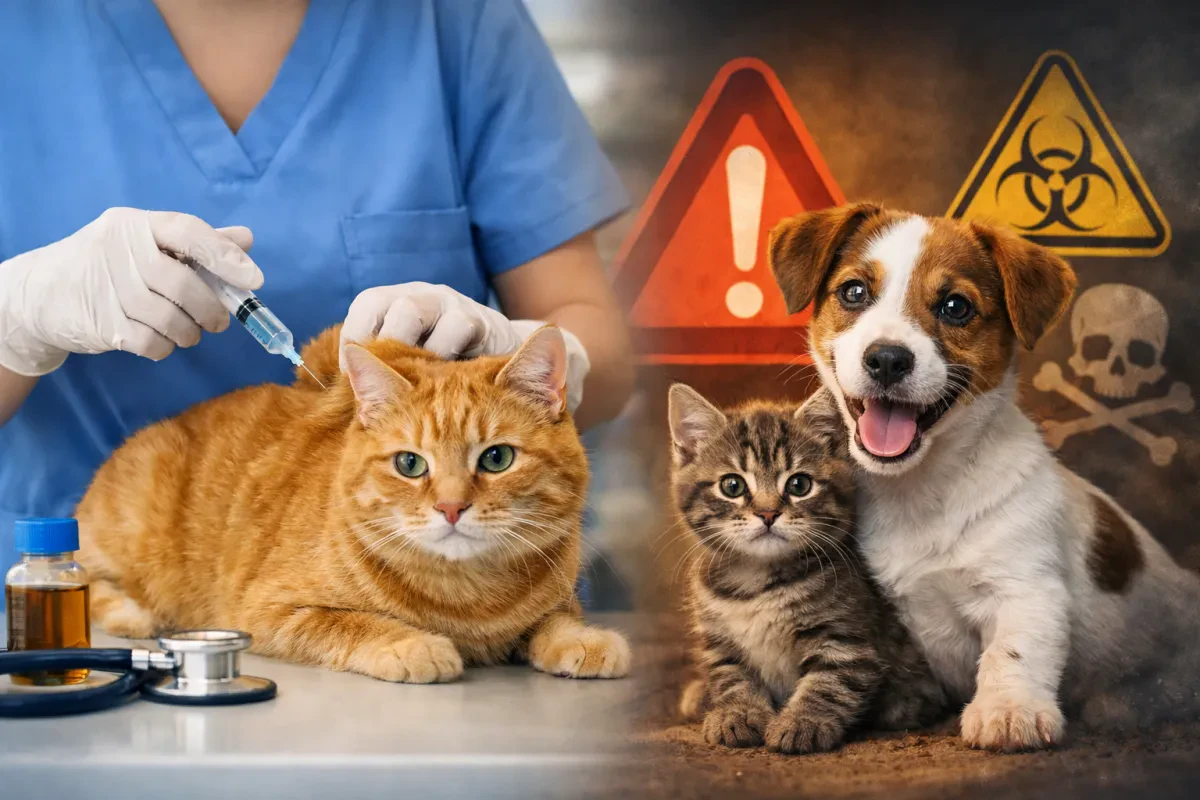
When it comes to keeping your furry friends healthy, understanding the benefits of pet vaccinations plays a big role. Pet vaccinations protect against a variety of serious diseases that can put your pet's life in danger. By ensuring your pet is vaccinated, you're actually giving them a fighting chance against these illnesses.
One major perk of vaccinating your pet is preventing diseases that are highly contagious, like parvovirus or rabies. Just imagine how heart-wrenching it would be if your pet got sick from something that could’ve been avoided with a simple shot. Plus, vaccines help create a barrier in your community, keeping other pets safe too. Healthy pets lead to a healthier environment!
Vaccination isn’t just about disease prevention, it’s also about wise spending. Treating a sick pet can rack up serious vet bills, and in some cases, it might not even guarantee recovery. Vaccines are a small investment compared to the potential costs of emergency treatments for illnesses that could have been prevented. So, putting a little upfront effort into their health now could save you tons of stress and cash later.
Pet vaccinations pros and cons weigh heavily on the side of benefits. Most pets tolerate vaccines like champs, showing only mild side effects like a slight fever or tenderness at the injection site. After the initial vaccinations, your pet may require boosters every few years, which means ongoing health support without too much hassle. Keeping up with vaccinations shows that you’re devoted to your pet's well-being, and it’s one of the easiest ways to be a responsible pet owner.
Recognize the Risks of Vaccinating Pets
When it comes to pet vaccinations, it’s important to recognize that they aren’t without risks. Many pet owners consider the benefits of vaccines, but understanding potential downsides is just as crucial. There’s a lot of information out there, and sorting through it can be a challenge.
Some pets may experience mild side effects after vaccination. Common reactions include a low-grade fever, swelling at the injection site, or mild lethargy. While these symptoms usually go away on their own, it’s good to keep an eye on your furry friend after their shot. If you notice anything unusual or concerning, don’t hesitate to reach out to your vet.
In rare cases, more serious reactions can occur. Some pets might have allergic reactions to certain vaccine components. This could include symptoms like difficulty breathing or sudden swelling. If your pet has had a bad reaction to a vaccine in the past, be sure to share this with your vet, as they can help you weigh the pet vaccinations pros and cons.
It’s also worth noting that over-vaccination can lead to problems, too. Some experts suggest that pets don’t always need every vaccine every year. Tuning into your pet's specific health needs and lifestyle can help you make smart choices about which vaccines they really need.
Decide When to Vaccinate Your Pet
Deciding when to vaccinate your pet is an important choice that can affect their overall health. Many pet owners wonder about the right timing, and it's crucial to get it right. Most vets suggest starting vaccinations when your puppy or kitten is around six to eight weeks old. This is when they start developing their own immune systems.
Depending on your pet's age, lifestyle, and risk factors, your vet will create a schedule that works best. Some vaccines are given in a series, while others require boosters later on. For instance, core vaccines, like those for rabies and distemper, usually need to be done early and then followed up later. Non-core vaccines can be tailored to your pet’s lifestyle and environment.
Don’t forget to discuss your concerns and questions with your veterinarian. They can help you navigate the Pet Vaccinations Pros and Cons specific to your furry friend. Keeping your pet’s history and health needs in mind will guide those decisions. Getting the right vaccinations at the right time can help protect your pet from severe diseases down the line.
Overall, staying on top of your pet's vaccination schedule is an essential part of being a responsible pet owner. Healthy pets mean happy pets! Make a plan, stay informed, and enjoy life with your furry companion.
Explore Alternatives to Traditional Vaccines
Many pet owners are starting to look into alternatives to traditional vaccines for their furry friends. This growing interest comes from a desire to explore different ways of keeping our pets healthy without relying solely on standard vaccinations. While there are pros and cons to every approach, understanding these alternatives can help you make more informed choices for your pet's health.
One popular alternative is the use of homeopathic remedies. These can support your pet's immune system naturally and help prevent disease. Some owners swear by homeopathic treatments, saying they’ve seen improvements in their pets' overall vitality. It's a great option if you’re looking for something gentler, but always consult a vet knowledgeable in these remedies.
Another interesting path involves holistic practices. Techniques like acupuncture and herbal medicine can benefit pets, promoting wellness and balance in their bodies. Some pet owners find that these methods work wonders, especially for chronic conditions. Just remember, it’s important to work with a professional who understands these approaches to ensure your pet gets the right care.
Lastly, there are various immune-boosting supplements available. These products often contain vitamins, minerals, and probiotics designed to help your pet thrive without traditional vaccinations. Nutrition plays a massive role in health, so a good diet combined with proper supplements could be a solid strategy if you're thinking about the Pet Vaccinations Pros and Cons.